Planning flatbed hire in Ilford
Hiring an open-bed vehicle for an Ilford job usually starts with two questions: what are you moving, and where will it finally be put down? A dropside or flatbed suits timber, fencing, pallets, display stands and awkward lengths that will not go through the back doors of a panel van. That same open deck leaves your load exposed to the weather and means it needs proper restraint, so choose the vehicle and the securing plan together.
This guide is for householders, trades and businesses planning a load into or out of Ilford. It covers choosing between size categories, the difference between gross weight and payload, which licence each vehicle needs, and how to plan the last stretch of a town centre delivery, where a vehicle may not be able to reach the door at all.
Start with the receiving point, not the vehicle
Many Ilford jobs end on or near the High Road, where part of the street is a pedestrian area. The council says the western end is mainly used by the market every day except Wednesday. That tells you the space is busy and shared. It does not tell you when, or whether, any vehicle may enter, stop or unload there.
Before you pick a vehicle, ask the shop, venue or organiser receiving the goods to confirm three things: their authorised goods entrance, the exact spot where a vehicle may lawfully wait, and how far items then have to be carried. If the answer is a rear service yard, a side-street bay or a trolley run along the footway, you can plan the load around that carry. If nobody can confirm a position, settle that before booking. On the day, the current signs and the highway or property owner have the final say.
Sources: Redbridge Council: Ilford High Road event space, HSE: safe loading and unloading
Event materials: the booking is not a vehicle permit
If you are setting up a stall, stage or promotional stand in the High Road event space, the council asks for bookings at least six weeks ahead. That booking covers your use of the space for the event. It does not give you permission to drive onto the pedestrian area, and it does not reserve a loading bay.
Plan the transport separately. Once the event is confirmed, list every item with its weight and longest dimension, then work out how each piece gets from the vehicle to the pitch. Folding tables, gazebos and boxed stock often move more easily on sack trucks or platform trolleys than by trying to bring a vehicle closer. Book the vehicle last, once you know how long the carry is and whether a tail lift would really help.
Height limits, car parks and why neither proves access
The council lists a car park entered from the High Road next to Lynton House, with a height restriction of seven feet. That limit applies to that car park only. It is not a height limit for the whole town, and a barrier being high or low elsewhere tells you nothing about whether a dropside may park or unload there.
Measure the full height of the vehicle you are given, including any headboard, ladder rack or load standing above the sides, and check it against every barrier on your route. A parking space is also not a loading position. If a barrier rules out one option, ask the receiver for an approved alternative rather than stopping at the nearest kerb.
Choosing between the dropside categories
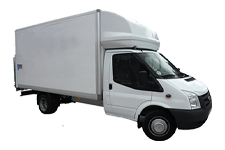
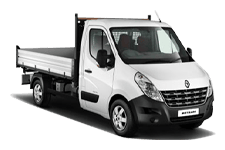
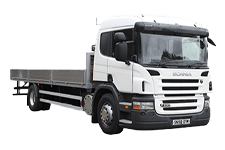
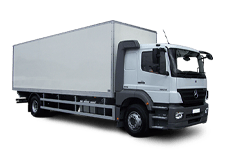
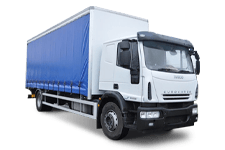
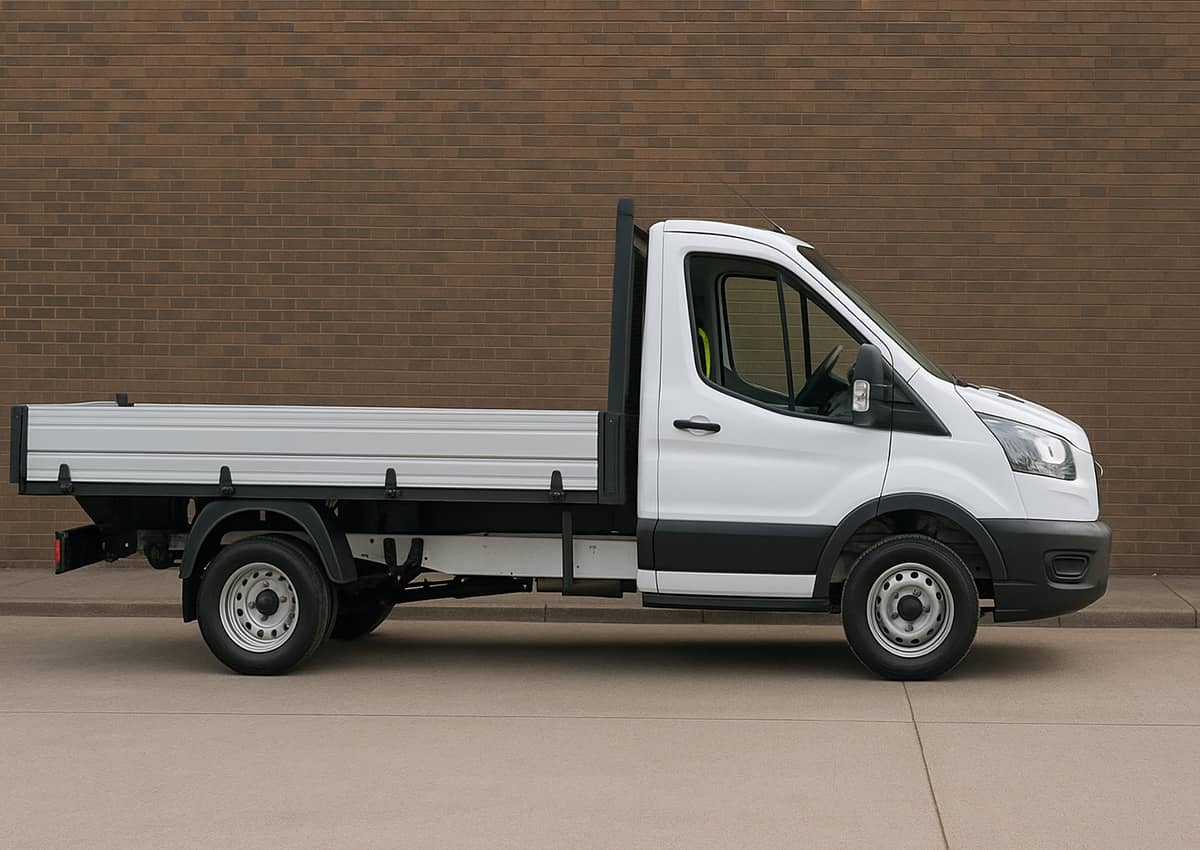
A 3 metre dropside is the practical choice for fencing panels, sheet materials, bagged products and small machinery, and it is easier to position in tight streets. A 4 metre body gives more deck length for pipe, long timber and event staging, but it is a longer vehicle to manoeuvre. A dropside with a tail lift is worth asking about if you have pallets or wheeled items and no loading dock at the other end.
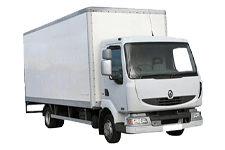
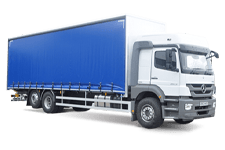
A 7.5 tonne dropside lorry suits multi-pallet or longer, heavier loads, but only when the route, the driver's licence and the unloading position all suit a lorry. Size categories and published figures are only a guide. Ask the supplier to confirm the actual bed length, width, side height and payload of the vehicle you will get, and check how any item hanging over the edge will be handled.
Sources: Nationwide Hire UK: 3 metre dropside, Nationwide Hire UK: 4 metre dropside, Nationwide Hire UK: dropside with tail lift, Nationwide Hire UK: 7.5 tonne dropside
Gross weight, payload and the licence you need
Gross vehicle weight, also called maximum authorised mass, is the most the vehicle may weigh when loaded, and it is normally shown on the vehicle's plate. Payload is what remains for your cargo once the vehicle itself, fuel, driver and passengers are counted. A 3.5 tonne dropside cannot carry 3.5 tonnes of goods.
Add up the whole load, including pallets and packaging. The weight on each axle matters as well as the total. After a partial drop, the remaining load can upset the balance, so move it if needed. If you are unsure of the weight, use a weighbridge.
A category B car licence generally covers vehicles up to 3.5 tonnes maximum authorised mass. Anything above that, up to 7.5 tonnes, usually needs C1. Check what each driver's own licence shows, and ask the supplier about any age, experience or insurance conditions.
Sources: GOV.UK: vehicle weights explained, DVSA: HGV overloading basics, GOV.UK: driving licence categories
Securing an open load properly
Weight and friction alone will not hold a load in place when you brake or turn. Choose a restraint method to suit the items you are carrying: rated straps to proper anchor points, chocks for anything that rolls, friction matting under smooth surfaces, and the headboard as a front barrier where it is designed for that. Rope hooks and sheeting points are not restraint anchors.
Before loading, check the deck, sides, anchor points and headboard for damage, and ask what restraint equipment comes with the hire rather than assuming it is included. Anything sticking out at the front, rear or sides may need marking, and larger overhangs can require advance notice, so measure long items before you set off.
Sources: DVSA: securing loads on HGVs and goods vehicles, DVSA: load securing basics, DVSA: ways to secure a load, DVSA and DfT: overhanging loads on vehicles
Side loading and unloading safely
Dropping a side gives easy access for a forklift, a second person or hand unloading from the footway. That only works if the vehicle stands on firm, level ground with the handbrake on and the area around it kept clear of the public. Items leaning against a side can fall as soon as it is lowered, so check before you release the catches.
Agree the unloading method with the receiver in advance: who lifts, what equipment they have, and where goods go once they are off the deck. Unload evenly so the remaining load stays balanced, and re-secure anything left on board before you move on. If there is a tail lift, remember that its rated capacity is separate from the vehicle's payload.
Sources: HSE: safe loading and unloading, Nationwide Hire UK: dropside with tail lift
Private, trade and commercial jobs
Private customers often hire for a garden project, a shed base or a one-off collection of materials. Trades use dropsides for regular runs of timber, pipe and site supplies. Businesses and event organisers usually need a vehicle for a fixed period around a launch or refit. Their priorities differ, but every one of these jobs goes more smoothly if the plan is confirmed before collection.
Before you commit, ask the supplier for their written terms and read the parts covering permitted use, insurance, damage, deposits, fuel, mileage and late return. Check whether commercial use or extra drivers change anything. One company's published terms show you which questions to ask. They are not a promise about your hire.
Sources: Third-party reference: Nationwide Hire UK terms and conditions